


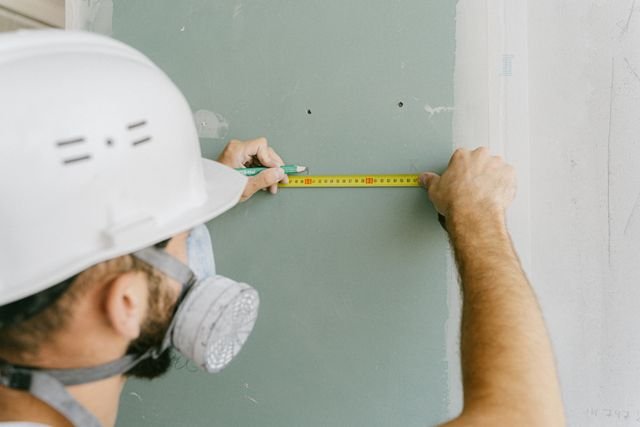

It will take just a few minutes spent analysing the stories of Sydney residents’ renovation projects to notice an emerging pattern. Initial enthusiasm is followed by a wave of surprises occurring after about three weeks into the process. This is not a coincidence but rather an inevitable result of approaching a complicated process unprepared. In Sydney, good renovation builders Sydney do more than apply their skills with the help of necessary equipment; they are, first of all, project managers, problem solvers, and building diagnostics experts.
What Sydney Homes Actually Hold Inside?
Many of the buildings within inner Sydney were constructed during the mid-twentieth century, with many of them never having been thoroughly analysed for their structural composition since the time of construction. Beneath the facades that are seemingly intact and the structures that appear stable are outdated plumbing systems, outdated wiring, and timber frames that have shifted due to years of movement. Renovations done by experienced builders will see through to those conditions and not conceal them, as the decisions that will be made here determine what will happen next.
Scope changes during renovations are not indications that anything has gone wrong. They are the correct response to the condition of a building after its surfaces have been stripped away. A bathroom renovation project, which uncovers a leak within the building’s waterproofing system behind the present-day tiles, will need to fix that problem before any aesthetic work can be done.
The Lending Indicators of the Australian Bureau of Statistics for the September quarter of 2025 report an increase in the value of lending for residential renovations reaching almost three times that of pre-pandemic times on a national scale. At present, there is a boom in improving existing houses in Australia, with its inner suburbs, eastern suburbs, and North Shore being among the renovation leaders in the country.
Approvals and What They Cover
Not all renovations in Sydney will need a Development Application. Projects that fit within the Complying Development Code will be able to be certified by a private certifier in less time, which will suit most kitchen and bathroom renovation projects. Any structural modifications to a property’s envelope, any works occurring in zones where there are heritage overlays, or any projects conducted in areas of land that have environmental controls can be subject to council requirements depending on relevant planning controls.
Renovation builders familiar with Sydney councils and the zoning restrictions throughout various suburbs will be able to recognise the proper approval process from the very first meeting. This will ensure that a homeowner won’t undertake any works that will have to be undone.
Structural Work Versus Cosmetic Work
It is crucial to distinguish the scope category of a renovation prior to any contracts being made. Demolishing a load-bearing wall to merge a kitchen with a living space is entirely different from renovating cabinets and bench surfaces, despite the fact that these two fall under the same general umbrella. Approvals, builder qualifications, required time frame, and real costs vary immensely.
This awareness will allow a homeowner to ask the relevant questions from the very beginning, rather than realising halfway through that the scope has shifted to another category.
Trade Coordination on a Live Site
Every residential renovation is usually accompanied by a number of different trades acting in a certain sequence that cannot be altered without great expense. Plumbers need to perform their part before the walls are closed up. Electricians require access before the plasterboard is fixed. Tilers need to follow after waterproofing is done, but not vice versa. It is very challenging to coordinate all those trades properly, and when something goes wrong, everything gets delayed and costs grow.

Where Quality Becomes Visible
The finishing phase is the one when the quality level of a renovation becomes apparent. Grout lines, fitting positioning, paint line quality, and floor transitions are the elements that make the room feel completed. Builders with the appropriate qualifications for the detail trades, or who closely monitor them, will preserve the quality throughout the entire renovation, rather than accepting the quality deterioration caused by uncontrolled subcontractors.