


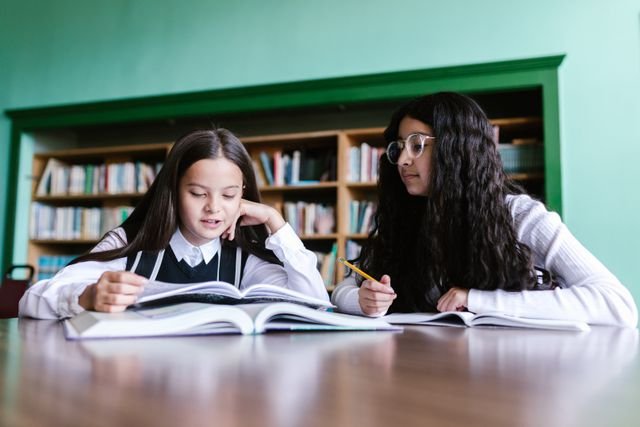

High school can seem like a maze, with the way shifting all the time. One term may be essay-based, the next equations, the next oral presentations, research activities or final exams. Students are supposed to be more independent, but it is tough to be independent when you don’t know what study habits really work. Many do not need someone to work for them. They need someone to teach them how to approach it with fewer misunderstandings.
Parents often recognise indications long before students are able to explain them. Homework goes on longer than anticipated, marks are unpredictable, motivation falls off, or a competent student starts saying they aren’t good at a subject. It’s not always extra hours at the desk that fix these instances. Sometimes the problem is one of direction.
The Right Help Blazes a Trail Through the Work
More than just rapid replies to homework should be expected from tutors for high school students. They are most effective when they help learners comprehend the subject, arrange their time, practise deliberately and evaluate what is improving. Helpful help provides kids a method through homework rather than having to guess their way through each assessment.
A tutor can help to make learning more achievable by breaking big goals down into smaller steps. Rather than stating a student has to improve in science, the work can be split into definitions, applying ideas, reading diagrams, writing out practical findings and practising exam-style problems. Vague expectation is less daunting than specific work.
Teenagers Need Respect, Not Rationality
High school pupils are old enough to realise when they’re being talked down to. Good tutoring should offer direction without intruding on their developing independence. That is a crucial balance. If a student feels judged, they may close up. If a student feels heard, they are more inclined to try hard things and to express what they don’t understand.
Interaction is important, because learning is risky. Students need to be willing to make mistakes, test ideas, and change their thinking. A supportive instructor can help make that process feel normal, not humiliating. Over time, this can help youngsters become more resilient when school gets rough.

The Best Support Is Longer Than The Session
A tutoring session is merely a part of a student’s week. The actual test is if the student can apply the tactics later, when they are alone with a textbook, laptop or exam paper. That’s why practical tools are important. Checklists, preparation techniques, revision routines, question breakdowns and feedback practices all increase the worth of each class.
The best results are not the kid who never has a problem. It is a pupil who knows what to do when struggle comes. With the correct academic support, high school becomes less like a perplexing maze and more like a set of problems that can be comprehended, practised and handled one step at a time.
Good tutoring can also affect the climate around study. “When a teenager has a strategy, family talks don’t have to be about reminders, conflicts or last-minute panic. The learner starts to own more of the process. This ownership is one of the most important results as it boosts both academic improvement and personal confidence.