


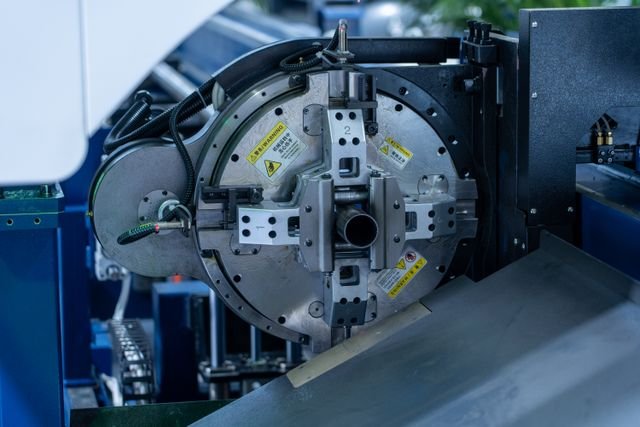

Some tools are useful in one or two contexts. A pipe flaring tool is useful in almost every industry that moves fluids or gases through metal tubing under pressure. From automotive workshops to commercial refrigeration systems, from hydraulic equipment to HVAC installations, the need to form a reliable, leak-free connection at the end of a metal tube is a consistent requirement across a wide range of trades. Understanding where a pipe flaring tool is used helps clarify why getting the right one matters.
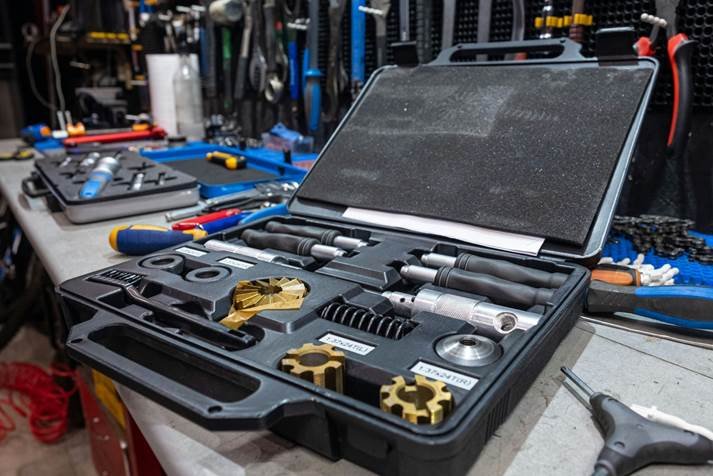
Types of Industries That Rely on Pipe Flaring Tools
The range of industries that depend on pipe flaring tools for day-to-day work is broader than most people outside the trades would expect. In the automotive industry, brake lines, fuel lines and coolant systems all use flared connections as the standard method for joining metal tubing, since the reliability of a well-formed flare under high pressure and vibration is significantly greater than threaded or compression fittings. Refrigeration and air conditioning systems rely heavily on copper tube flaring, with connections between compressors, condensers and evaporators typically joined using flared fittings that need to hold refrigerant under significant pressure without leakage. Hydraulic systems used in construction equipment, industrial machinery and marine applications also use flared connections extensively, particularly in high-pressure circuits where a poorly formed joint poses a genuine safety risk. Plumbing and gas fitting represent further application areas, where Pipe flaring tool are used to create connections in copper water supply lines and gas distribution systems.
How a Pipe Flaring Tool Is Specified for Different Applications
Not every pipe flaring tool is suited to every application, which is why matching the tool to the specific job matters before any work begins. The tube material being flared, whether copper, aluminium, steel or brass, influences the type of tool and the amount of force required to produce a clean flare without cracking or distorting the tube wall. The required flare type also determines the tool specification, since single flare, double flare and bubble flare connections each need a different cone geometry to form correctly. Tube diameter is another variable, with most standard kits covering a range of common sizes but specialist or non-standard diameters often requiring a custom-built tool to produce accurate, consistent results. Custom pipe flaring tools manufactured to specific design requirements allow industries with non-standard tubing configurations to achieve the same level of precision and reliability as those working with off-the-shelf specifications.
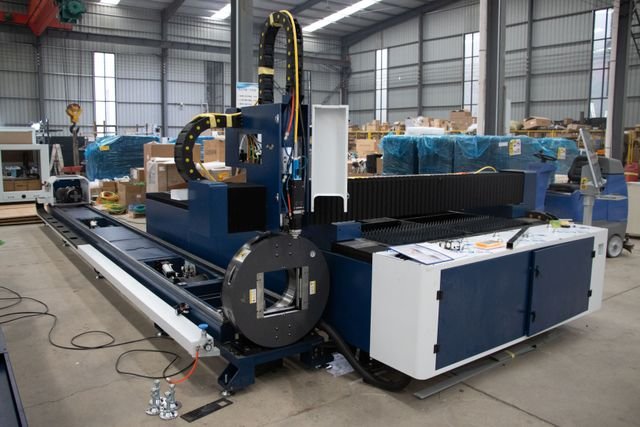
Benefits of Using the Right Pipe Flaring Tool for the Application
Selecting and using the correct pipe flaring tool for a given application delivers immediate and lasting benefits to the quality and reliability of the finished installation. A correctly formed flare seals tightly against its fitting without additional sealing compounds, creating a connection that holds through the pressure cycling, vibration and temperature variation that real-world systems experience over time. In safety-critical applications such as brake systems and high-pressure hydraulics, the integrity of every flared connection is non-negotiable, making the quality of the tool used to form it directly relevant to the safety of the system as a whole. For workshops and manufacturers producing flared connections at volume, a well-specified pipe flaring tool also contributes to consistency across production, reducing the variability that leads to rejected joints and rework.