


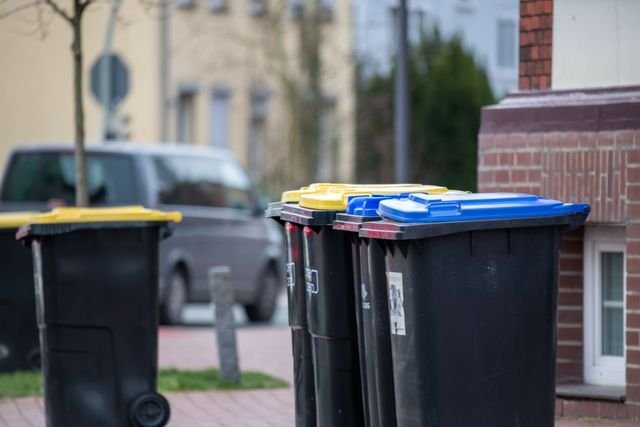

Booking hard rubbish in some Melbourne councils can take you weeks before receiving your appointment. In the meantime, used couches, broken chairs and other items end up remaining in garages much longer than expected. Knowledge of how hard rubbish removal in Melbourne works will help you get rid of unwanted items fast and effectively, while at the same time saving money and helping the environment.
What Council Hard Rubbish Can and Cannot Do?
Almost all Melbourne councils provide some sort of service for hard rubbish collections; however, there are certain limitations and differences among different councils within Victoria. Some have limits on how many collections per year are free of charge for households. The process of Melbourne rubbish removal is complicated by long waiting times when collections are at their peak after holidays or spring clean-ups.
Some councils accept only certain types of items, and there are limits on the amount of e-waste, paint etc. Items should always be left on the kerbside and not in your garden or driveway. Checking your local council website for requirements will make sure that your waiting will not be in vain.
Why Is Bulk Household Items Recycling So Difficult?
Larger items like couches, mattresses and other bulky furniture are harder to recycle than many people think. Sofas and mixed-material furniture consist of a mixture of timber, metal, foam and fabric components, making it impossible to sort them out. This makes recovery of the bulk waste very hard.
E-waste should be recycled separately because Victoria forbids disposal of such items at landfill sites since 2019. Paints, oils and other household chemicals also need a special approach.
Jobs That Just Can’t Fit in a Bin
Some clean-ups are just too massive for the council or your average wheelie bin to handle. You know the scenario, moving house or downsizing and suddenly you’re staring down at years’ worth of old furniture, boxes and forgotten clutter that’s been hidden away. And then there are the emotional clean-ups that come with dealing with a deceased estate; not just hard work, but a pretty rough time as well.
And don’t forget about home renovations or garden overhauls; those can produce a whole lorry load of rubble, timber offcuts, soil and old garden waste. Then there are the office and shop fit-outs; all sorts of desks, partitions and old equipment come out of the box. These jobs usually call for a private removal and disposal service, a skip bin or a trip to the local transfer station.
Certain Things Need More Care Than Others
Some waste just shouldn’t go in with the rest of the rubbish, however tempting it might be to just lump it in. And then there’s asbestos, the real killer of them all, usually found in older homes built pre-late eighties. Don’t even get me started on how easy it is to release those nasty fibres; removal and disposal have to be strictly by the book, and handled by a licensed pro.
Gas bottles, car batteries, fluorescent tubes and pool chemicals are all pretty dodgy too; they need special handling. Most transfer stations and designated drop-off spots will take care of these things for you for free, but mixing them in with the rest can put people’s lives at risk and get your load refused. So yeah, take them out of the mix and deal with them separately if you can.
Reuse Before Removal Is the Smart Way to Go
The easiest rubbish to get rid of is the kind that never needs removing in the first place. All that usable stuff, furniture, clothes and household junk, can go to charity, op shops and community groups. And if all else fails, there are always online marketplaces and local giveaway groups.
And don’t be too quick to give up on stuff either; you can often repair and upcycle things that seem beyond salvation. Even metal, clean timber and green waste can usually be separated for recycling rather than chucked in a mixed load. Takes a bit of effort, but it’s worth it; a mixed load can be a lot more expensive to get rid of.
Choosing a Removal Service That Does It Properly
Not every operator is decent when it comes to handling waste; there’s still a lot of dodgy stuff going on, and we’re still seeing a fair bit of illegal dumping in Melbourne. In Victoria, the rules are clear; waste needs to go to a place that’s actually allowed to take it. So here are a few questions to ask before you book:
If they can give you a clear, upfront answer to these questions, then chances are you’re dealing with a trustworthy operator. But if the price is just way too good to be true, be wary; it usually is a red flag. Taking a bit more care with removal and disposal makes all the difference, keeps our streets, parks and waterways a lot cleaner for everyone.