


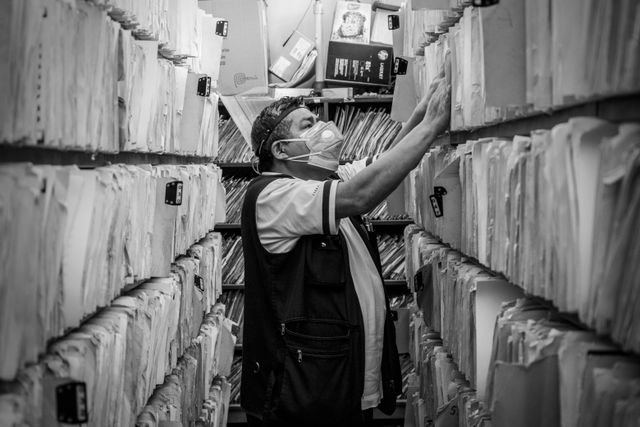

Buildings accumulate paperwork almost as quickly as they accumulate wear and tear. Plans get revised, maintenance work is carried out, contractors change, approvals are issued and upgrades happen over decades. When those records are well organised, future decisions become much easier. When they’re incomplete, scattered or outdated, even a straightforward project can turn into a frustrating exercise in detective work.
That’s why maintaining accurate building records matters well beyond the construction phase. Good records help owners, managers, consultants and contractors understand what has been built, what has changed and what may need attention in future. Their value often becomes most obvious years later, when someone suddenly needs information that nobody expected to be important at the time.
Buildings Change More Than Their Original Plans Suggest
Original drawings are useful, but they don’t always reflect the building as it exists today. Tenants may alter layouts, services can be rerouted, equipment gets replaced, walls move and extensions are added. If those changes aren’t documented properly, the gap between the plans and reality grows over time.
That becomes a problem when future work is planned. A contractor may rely on drawings showing a service in one location only to discover it was moved years ago. A consultant might assume a wall is non-structural based on outdated information. Even small discrepancies can create delays, extra investigation and unnecessary cost.
Keeping records current reduces that uncertainty and gives everyone a more reliable starting point.
Maintenance History Matters Too
Building records aren’t only about architectural plans and approvals. Maintenance information can be just as valuable.
Knowing when equipment was installed, when a roof was repaired or when a system was last serviced makes future decisions easier. It can help distinguish between something that simply needs routine maintenance and a component that may be nearing the end of its useful life.
Without that history, owners can end up repeating investigations or replacing items without knowing what has already been done. In larger buildings with multiple systems and contractors, those gaps can become expensive quickly.
Good Documentation Makes Renovations Easier
Refurbishment projects often involve working around existing conditions, which means accurate information can save a huge amount of time.
Designers need to know where walls, services, ducts, cables and structural elements are located before they can confidently plan changes. If records are incomplete, more investigative work may be needed before design can progress. In some cases, extra surveys or intrusive inspections are required simply to work out what’s behind a wall or above a ceiling.
Records won’t eliminate every surprise, especially in older buildings, but the more reliable information is available at the start, the less guesswork the project team has to rely on.
Records Can Support Compliance
Buildings are subject to a range of regulatory, safety and maintenance obligations, and documentation can play an important role in demonstrating what has been done.
Inspection reports, certifications, maintenance logs and approval documents may all be required at different times. If those records are missing, proving compliance can become much more difficult, even if the work itself was completed.
This is why documentation should be treated as part of the job rather than an administrative afterthought. Work isn’t fully closed out if nobody can later show what was done, when it happened or who was responsible.
Information Shouldn’t Disappear When People Leave
Buildings often outlast the people and companies managing them. Contractors change, facilities managers move on and ownership can transfer.
If important information exists only in one person’s inbox or a contractor’s private filing system, that knowledge can disappear when the relationship ends. New teams are then forced to rebuild the picture from scratch.
A centralised record system helps preserve continuity. Key documents should belong to the building and its management process rather than whichever individual happened to organise the last project. That makes handovers smoother and reduces dependence on institutional memory.
Photos Can Be Surprisingly Valuable
Not every useful record needs to be a formal report.
Photographs taken during construction, repairs or upgrades can provide valuable context later, especially when they show areas that will eventually be concealed. A photo of services before a wall is closed, for example, may be far more useful years later than a vague note saying work was completed.
The key is making sure photographs are labelled and stored properly. Hundreds of images called “IMG_4587” aren’t especially helpful if nobody knows what they show. A simple date, location and description can turn an ordinary site photo into a useful long-term record.
Digital Systems Help, but Structure Matters More
Moving records into the cloud doesn’t automatically solve the problem. A disorganised digital folder can be every bit as confusing as a filing cabinet full of paper.
The real value comes from consistency: clear file names, logical categories, version control and sensible access permissions. Documents should be easy to find without requiring detailed knowledge of who created them.
If locating a certificate depends on remembering which contractor emailed it five years ago, the system isn’t doing enough. Digital tools make storage and sharing easier, but the information still needs to be organised deliberately.
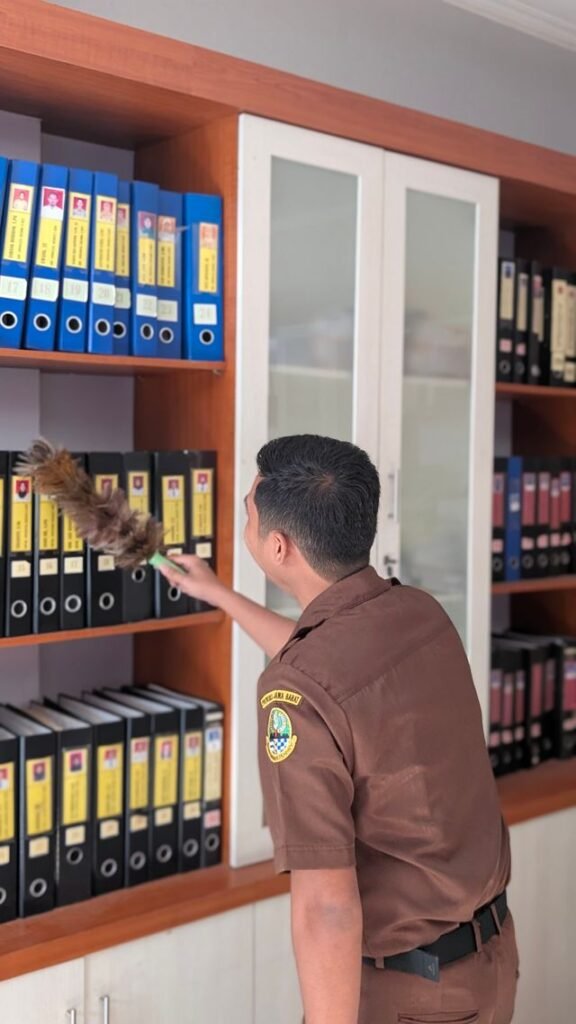
Record-Keeping Is Really About Reducing Future Uncertainty
The strange thing about building records is that their value is often invisible when they’re created.
Saving an updated drawing or maintenance report may feel like a minor administrative task today. Years later, that document could save hours of investigation, prevent duplicated work or help a contractor avoid damaging a hidden service.
That’s why good record-keeping is better viewed as part of asset management than paperwork for paperwork’s sake. Buildings change constantly, and the information about those changes needs to evolve with them.
The goal isn’t to keep every scrap of paper forever. It’s to preserve the records that help people understand the building accurately over time. When that information is complete, organised and accessible, future maintenance, renovations and decisions become far easier to manage.