




A pool that looks crystal clear is one of the best things about Perth summers. It’s like the epitome of summery bliss… but don’t be fooled; water that appears spotless can still be lugging around chemistry that’s way out of whack, and that disconnect between looks and reality is exactly where pool problems start to rear their head.
Perth has a reputation for having one of the highest rates of residential pool ownership in Australia and it’s easy to see why, given that swimming is a year-round activity out here rather than just a fleeting summer thrill. But as lovely as that is, it comes with a level of ongoing maintenance, including finding reliable pool service Perth providers, that some owners are prone to underestimating, not because they’re careless, but because pool chemistry is just plain complicated, and the consequences of getting it wrong don’t always make themselves known until it’s too late.
What Pool Servicing Actually Covers?
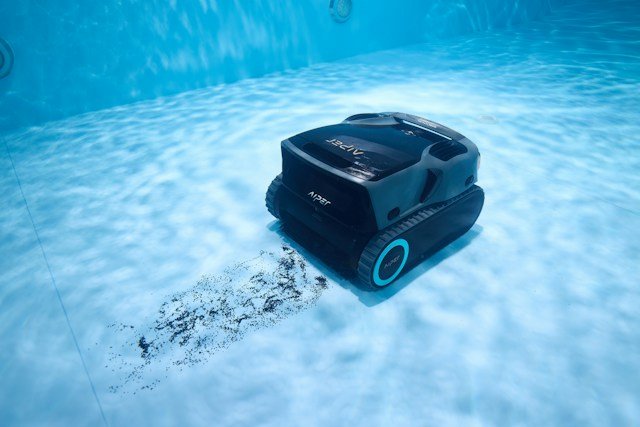
Most people think pool servicing is all about vacuuming, chucking in some chlorine and calling it a day. But that’s just a part of it; a full service actually covers a lot more ground: water chemistry testing across a range of parameters, filter inspection and cleaning, checking the performance of the salt cell, taking a look at the pump pressure and doing a visual check on all the return jets and surface conditions.
The WA Health Department has a specific set of standards for free chlorine, pH, total alkalinity and cyanuric acid in residential pools, all designed to keep us safe from waterborne nasties. But here’s the thing; even if a pool is sitting at a reasonable pH but running low on free chlorine, it’ll still look perfectly inviting… but it’s not meeting those standards.
It’s the parameters that quietly drift, past stabiliser levels, calcium hardness, and salt cell output, that you rarely get a glimpse of through the water alone.
Perth’s Water Supply Changes the Equation
Here’s something that catches many a Perth pool owner off guard. Our drinking water comes from limestone aquifer sources, which gives it a naturally higher pH than water supplied in most other big cities in Australia. Every time you top up your pool with tap water, that alkaline water is working against the balance you’re trying to maintain. Scale builds up a lot faster on the surfaces, heat pump coils and salt cell plates than it would with the softer water supplies of other cities.
And then there’s bore water, which throws up a whole new set of complications. Iron and manganese, which are both common in Perth bore water, can stain pool surfaces and completely change the colour of the water in ways that look pretty alarming and can be a real pain to reverse without the right treatment approach. Knowing which water source is being used to top up your pool is basically essential information if you want to keep that pool balanced.
Water Restrictions and What They Mean Practically?
The Water Corporation of WA manages a Sprinkler Roster governing outdoor watering in the city, and topping up your pool during unpermitted hours or on an incorrect roster day constitutes a violation of the conditions stipulated by that roster. Pool water evaporates all the time and the rate of evaporation spikes in summer heat and wind. It is one of the realities of pool management in Perth to consider when planning your pool’s top-up schedule.
Algae Is More Complicated Than It Looks
Green water problems are very common in Perth pools, and failing to address them with appropriate changes to water chemistry is going to make you treat the same issue in two weeks’ time. Perth pools are particularly prone to algae because of the combination of the intense sun, high water temperature and phosphate loads resulting from garden runoff and dust.
Different types of algae need different treatment: green algae, black algae and mustard algae. The latter is usually mistaken for something else because of the way it adheres to surfaces in the pool, rather than floating in water like other algae. A pool being treated for green algae but actually affected by mustard algae is going to see short-term improvements followed by relapses until it is treated appropriately.
Why Regular Professional Servicing Pays Off?
Pool servicing requires calibrated equipment, regularity and the ability to recognise changes in patterns. If someone performs regular servicing of a pool, he/she notices something starting to go wrong early enough: a pump seal that is starting to deteriorate, a salt cell producing less than its capacity and a filter that requires servicing more often than usual.
If the person who owns a rental property and pool is a landlord, there is even more reason to service the pool regularly: records of service can be used as proof of fulfilling responsibilities of the owner under WA residential tenancies legislation with regard to water quality and the pool’s equipment.
Fencing of the pool is governed by separate Building Regulations 2012 in WA and does not depend on water quality at all.