


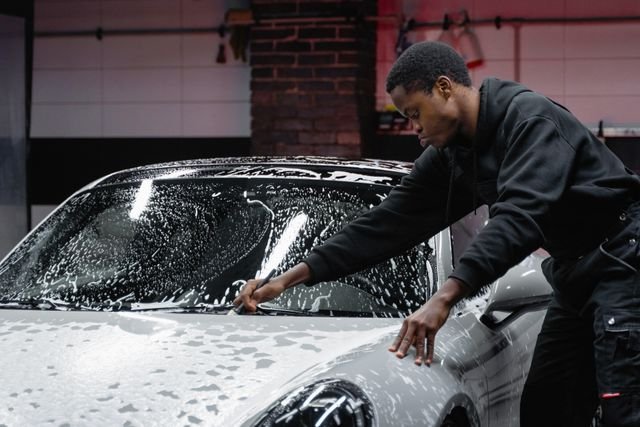

There’s a big difference between a car that looks clean and one that looks properly cared for. The first might be free of obvious dirt; the second has that crisp, well-finished appearance where the paint looks deeper, the glass is clearer and the interior feels fresh without looking overly dressed. Achieving that result usually has less to do with spending an entire weekend polishing and more to do with a handful of good habits repeated consistently.
For drivers who enjoy looking after their own vehicles, specialist retailers such as Detail Central make it easier to find products and tools designed for proper car care rather than relying on whatever happens to be sitting in the household cleaning cupboard. The products matter, but technique matters just as much. Small mistakes repeated every week can do more harm than one neglected wash.
Stop Treating Every Surface the Same
One of the easiest ways to improve your detailing routine is to stop thinking of a car as one big washable object. Paint, glass, wheels, tyres, leather, plastics and fabric all behave differently, and they generally respond better to products made for that specific surface.
Household detergent, for example, may cut through grease brilliantly in a kitchen, but that doesn’t mean it belongs on automotive paint. Likewise, an aggressive wheel cleaner isn’t something you’d want splashed over delicate interior trim.
Keeping even a basic set of purpose-specific products helps reduce the chance of staining, fading or prematurely wearing surfaces. You don’t need a shelf full of 40 bottles. A sensible wash product, wheel cleaner, glass cleaner, interior cleaner and appropriate protection product will cover most routine jobs.
The Wash Mitt Is More Important Than People Think
Most swirl marks don’t suddenly appear because somebody attacked the car with sandpaper. They build up gradually through poor washing technique.
Road grime contains tiny abrasive particles. If those particles are dragged repeatedly across the paint with a dirty sponge or cloth, they can leave fine scratches in the clear coat. Those scratches become especially noticeable in direct sunlight, where darker paint can take on a web-like appearance.
A clean microfibre wash mitt, regular rinsing and working from cleaner areas towards dirtier ones can make a noticeable difference. The lower sections of the doors and rear bumper generally collect much more contamination than the roof, so there’s little sense in starting at the dirtiest part and then spreading that grime around the rest of the car.
It’s a simple habit, but it’s one that protects the finish every time you wash.
Wheels Deserve Their Own Equipment
Brake dust, road grime and tyre residue make wheels some of the dirtiest parts of a vehicle. That’s exactly why using the same cloth or mitt on the wheels and the bodywork is a bad idea.
Keep separate brushes, towels and wash tools for wheels. Once something has been used to scrub heavily contaminated wheel surfaces, it shouldn’t be going anywhere near the paint.
It also helps to clean wheels when they’re cool rather than immediately after driving. Products can dry too quickly on hot surfaces, making them harder to rinse properly and potentially leaving marks.
A bit of separation in your cleaning kit can save a lot of unnecessary paint correction later.
Drying Properly Prevents a Surprisingly Common Problem
You can wash a car perfectly and still finish with a disappointing result if it’s allowed to dry badly.
Tap water contains minerals, and when droplets evaporate on the surface, those minerals can remain behind as spots. On some finishes, repeated water spotting can become stubborn enough to require polishing or specialist treatment.
A clean, absorbent microfibre drying towel makes the job easier. Some owners also use drying aids or air blowers to shift water from mirrors, badges and panel gaps where it otherwise tends to drip out five minutes after you thought you’d finished.
The main goal is simple: remove the water before it has a chance to leave residue behind.
Don’t Chase Shine at the Expense of Cleanliness
There’s a temptation to reach for wax, polish or a glossy spray whenever the paint looks dull. Sometimes the surface simply isn’t properly clean.
Paint picks up far more than obvious mud. It can collect road film, tar, insect residue, tree sap, industrial fallout and other contaminants that ordinary washing doesn’t always remove. Layering protection over that contamination won’t magically create a better finish.
Periodic decontamination can help restore smoothness before protective products are applied. Depending on the condition of the vehicle, that might involve specific chemical cleaners or a clay treatment.
Polishing is a separate step again. It removes or reduces defects in the paint surface, so it shouldn’t automatically be treated as part of every wash. Clear coat is finite, and unnecessary aggressive polishing isn’t a badge of good car care.
The Interior Benefits From Restraint
A freshly detailed interior shouldn’t feel like you’ve coated every surface in cooking oil.
Many modern dashboards and trims are designed with fairly subtle finishes, and heavily glossy dressings can make them look unnatural while also creating reflections on the windscreen. A clean, low-sheen result is often both better-looking and more practical.
Vacuum first, including underneath seats and around rails where debris accumulates. Use a soft brush for vents and narrow seams, then clean surfaces with a product appropriate for the material. Fabric stains are usually easier to deal with when they’re fresh, so tackling spills early is another useful habit.
Leather deserves some care too, but modern automotive leather is often coated, meaning the goal is generally to keep it clean and protected rather than repeatedly saturating it with heavy conditioners.
Protection Makes Future Cleaning Easier
Paint protection isn’t only about creating shine. A good wax, sealant or coating can also make routine maintenance easier because dirt and water are less likely to cling stubbornly to the surface.
There’s a wide range of options, from quick spray products that take minutes to apply through to longer-lasting ceramic-style coatings. The right choice depends largely on how much preparation, cost and maintenance you’re willing to commit to.
There’s nothing wrong with choosing the simple option. A product you’ll actually apply and maintain is more useful than an expensive system that spends two years unopened in the garage.

Consistency Beats the Occasional Marathon Detail
The vehicles that stay looking good for years aren’t necessarily receiving a ten-hour detail every month. More often, their owners deal with contamination quickly, wash with sensible techniques and avoid habits that unnecessarily damage the finish.
Remove bird droppings sooner rather than later. Don’t wipe dusty paint with a dry cloth. Keep wheel equipment separate. Use clean towels. Dry the car properly. Deal with spills when they happen instead of rediscovering them six months later.
None of these things is particularly dramatic, which is precisely the point. Good detailing is mostly about preventing small problems from turning into big ones.
A beautifully maintained car is usually the result of dozens of ordinary decisions made correctly over time. Get those everyday habits right and the big detailing jobs become less frequent, less difficult and far more satisfying when you do decide to tackle them.