


Most drivers do not realise what a proper smash repair involves until they need one. Here is what the process covers, what to watch for, and why your repairer choice shapes the outcome. After a collision, the instinct is to catalogue what is visible: crumpled metal, broken lights, paint scraped to bare steel. The damage that matters most for safety, however, often sits underneath the surface. Structural rails, crumple zones and mounting points absorb energy in a crash in ways that leave no obvious visual evidence. A vehicle that looks superficially repairable from a low-speed impact can carry hidden alignment issues that affect handling, tyre wear and passive safety performance in any subsequent incident.
This is why the assessment stage carries far more weight than most drivers give it.
The First 24 Hours: What to Do and What Not To
The actions that follow the collision are going to determine everything that will happen next. Recording the crash scene, exchanging the required information and informing the insurer are going to form the initial steps. The thing that most drivers are not aware of is that a skilled repairer like Horsnby Auto will be able to perform a major part of the claim procedures on your behalf.
It is dangerous to drive a car with possible structural defects from the moment the crash happened until the assessment stage is over. Sometimes, even if the panel seems to fit properly, it can still hide some damage.
Assessment: Where the Real Work Starts
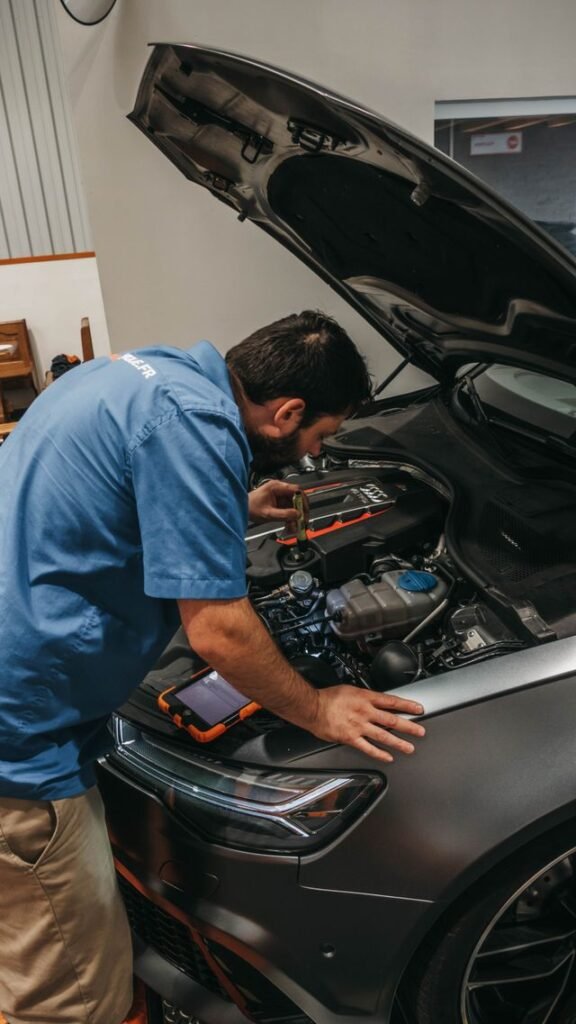
An assessment involves more than simply looking at the damage. Computerised measurement systems will measure the alignment of the structure against specifications provided by the manufacturers; these are the only criteria that matter in the case of a vehicle that was made to meet the safety standard. The difference between a 3mm and 0.5mm offset is not visually noticeable but measurable, and it changes the behaviour of the car.
According to the Insurance Council of Australia’s motor insurance policy paper issued in March 2025, the average cost of repairing a vehicle increased from $2,914 in the first quarter of 2022 to $3,662 by the end of the 2024 financial year, which represents a 25.6% growth.
Panel Beating, Paint Matching and Detailing
Panel beating includes structural and aesthetic aspects. Repairing a damaged rail according to the specifications involves machinery, measurement and skilled labour; getting the outside of the repair spotless requires precise colour matching. Contemporary cars, especially those produced in Europe, use complex multi-stage paint jobs, including metallic or pearlescent layers which should be matched to avoid visible joints between panels in certain lighting conditions.
Your Rights When Filing An Insurance Claim
When it comes to making a claim for vehicle repairs, understanding your options and rights may matter more than most people would think until the moment they need to do it. According to the guidelines from the NSW Government, some insurers can require policyholders to use repairers from the list supplied by the company if the terms and conditions of the specific policy state that.
Accredited shops have been evaluated against standards established independently and related to equipment, training and quality control. Accreditation of a repairer at the appropriate level is a good criterion when considering repair options.
Replacing Your Car During Repairs
Options for arranging the replacement vehicle during the repairs depend both on your policy and determination of liability. In case a like-for-like replacement vehicle can be arranged via your repairer or insurer, this arrangement may significantly minimise the disturbance caused by the repair process.
According to the Insurance Council’s 2025 report, the average waiting time during repairs increased from 38.57 days in 2019 to 61.25 days in 2024.