


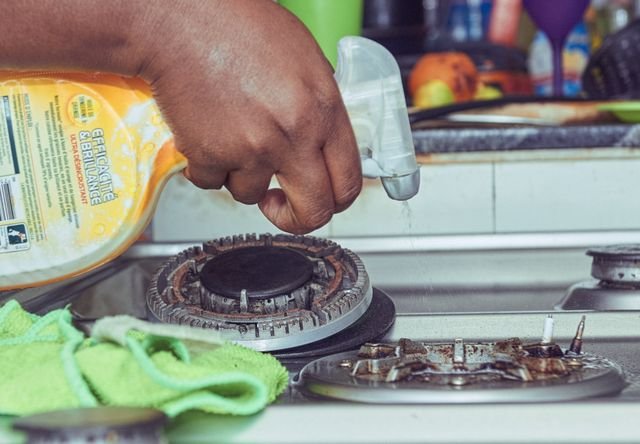

Lismore’s food and hospitality sector has shown it’s made of pretty resilient stuff despite all the challenges it’s faced. Places have opened their doors again, kitchens have got a whole new look to them and trading’s come back to life in most parts of the region. But somehow the maintenance planning that comes with a big bump in kitchen output just hasn’t kept pace. Grease system cleaning, the intersection where fire safety, food business compliance and just plain good sense all come together, is something that’s being neglected by Lismore operators who are now running kitchens harder than they were two years ago.
How Grease Builds Up Differently Between Kitchens?
Not all the commercial kitchens in Lismore put the same strain on grease cleaning, and slapping a one-size-fits-all schedule on kitchens that are all different is a recipe for disaster. A busy city café with a flock of customers for breakfast and lunch is generating a lot more grease vapour than a café that only serves cold food at the same times of the day, which is why grease cleaners Lismore can’t apply a one-size-fits-all approach.
Restaurants with dinner services that involve deep frying, wok cooking or open flame grilling are producing grease at a rate and scale that’s going to blow out filters fast and clog the ducts even quicker. And the way it accumulates just isn’t a straight line. Once the duct deposits get thick enough the surface area just gets bigger, so the rate of accumulation starts to speed up unless you get the thing cleaned. The kitchen that was manageable on a six-month schedule just two years ago may not be able to manage it at all now.
The Northern Rivers Region Has Its Own Set of Challenges
Lismore’s climate, warm and wet, is going to make the grease vapour in kitchens a lot worse than in cooler, drier places. The way grease behaves in humid conditions is going to be different to what a Sydney or Melbourne café would experience, so just taking the same cleaning schedule that works in those cities is probably going to be too little too late. What with the high humidity and warm temps, the grease vapour just gets around the exhaust system so much faster.
If you were to get a kitchen in Lismore knocked around by the floods and then just pop a new hood in and start cooking again, you’re probably not doing enough to make sure the exhaust system is safe. You need to take a closer look at the fan housings, the ductwork that was left standing and the discharge points outside. Get all those checked out and make sure they’re good to go.
Why a Suppression System Just Doesn’t Replace Cleaning?
One of the things operators seem to get wrong about grease suppression systems is that they think they can just set one up and forget about cleaning the exhaust. They can’t. Fire and Rescue NSW is pretty clear on this; a wet chemical suppression system is there to help, but it’s not a substitute for regular cleaning and inspections.
All a suppression system does is put out fires just above the cooking surface. Any fire that starts further down the line, say in the duct itself, is not going to be something the chemical agent can reach.
What a Contractor Visit Should Accomplish?
Full service includes the body of the range hood, all components inside, the entire ducting system from hood to discharge outside, the exhaust fan unit, and the discharge point. After every visit, the contractor should produce a written report with details of the date of the service, what work was done, what could not be reached during the service, and what deficiencies were found in the system. This report is the compliance record of the operator.
Environmental health officers of the Council in regional NSW can conduct inspection of food premises and evaluate exhaust system maintenance without notice. Minimum physical plant maintenance requirements for licensed food businesses are set by the NSW Food Regulation 2025 that came into effect in September 2025. Maintenance records are reviewed as part of the insurance investigation following a grease fire. A contractor who does not produce written reports regularly is not maintaining the standards expected of a commercial food premises.
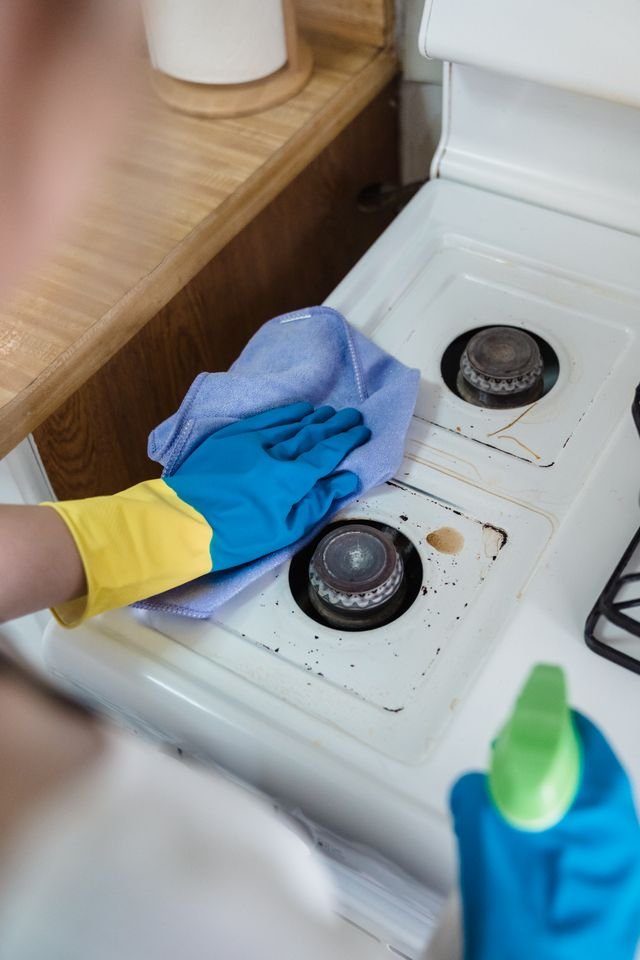
Scheduling Cleaning in Relation to the Lismore Trading Year
Scheduling maintenance ten to twelve weeks in advance instead of four weeks allows true scheduling flexibility. It also avoids competing for contractor’s time with other Northern Rivers businesses during times when there is a lot of scheduling activity among operators. Seasonal activities, markets, festivals, and agricultural show calendar cause increased kitchen production at specific points during the year. Scheduling cleaning before these peaks deals with risk at the highest load points of the year, which is the only way how scheduling before the peak is different from scheduling after the peak.